Opening the Desk
I've spent three decades managing projects, so naturally the book about project management has no project plan. It has something better: a direction, a working method, and now — apparently — a blog.
This is The Author's Desk. Once a week I'll write about what it's like to actually make this book: the decisions, the dead ends, and the slightly strange experience of writing with an AI editor who never sleeps, never sulks, and occasionally tries to delete the best story in the chapter because it's "structurally digressive".
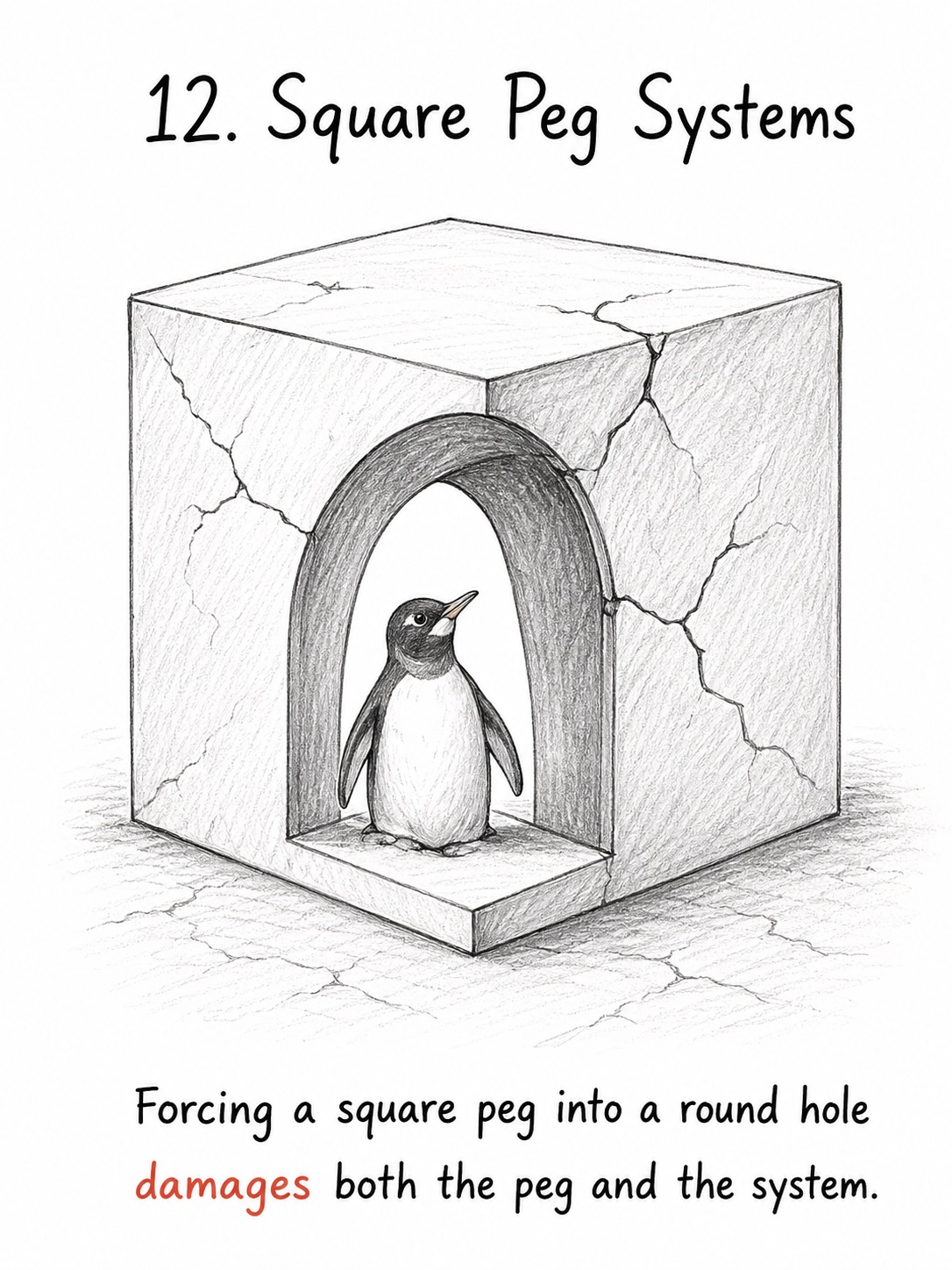
A quick word on why the book exists, for anyone arriving fresh. I found out I was dyslexic after finishing a Computer Science degree — which tells you something about who the standard process was designed for, and it wasn't me. I then spent thirty years running large pharma R&D programmes, mostly full of people who also didn't quite fit the template, doing the best work I've seen anywhere. The book is about that gap: standard project management methodologies treat people as interchangeable units of capacity, and the value walks out the door unnoticed. The penguin — a bird that looks wrong until you see it underwater — is how I hold the idea.
Why write it with an AI? Partly because the book has a chapter on AI-augmented "vibe" project management and I refuse to write that chapter without lived experience. Partly because, as a dyslexic writer, having an editor that handles the mechanical layer — consistency, structure, the seven-hundred-paragraph memory — while I keep the judgement and the stories is the most honest division of labour I've found. The AI gets a blog of its own here (The Editor's Notes), where it reports on our week and confesses its mistakes. I've read the first one. It's accurate, which is mildly annoying.
There are also two Emperor penguins on the masthead. Emma and Percy are raising a chick in real time, date-accurate to the actual Antarctic breeding season, and if you think a bird that fasts for 115 days in the dark to keep one egg warm has nothing to teach you about project commitment, I'd suggest reading their first post.
Back next week. Bring a problem from your own desk; that's what this is all for.
— Ian